What Continues After Death?
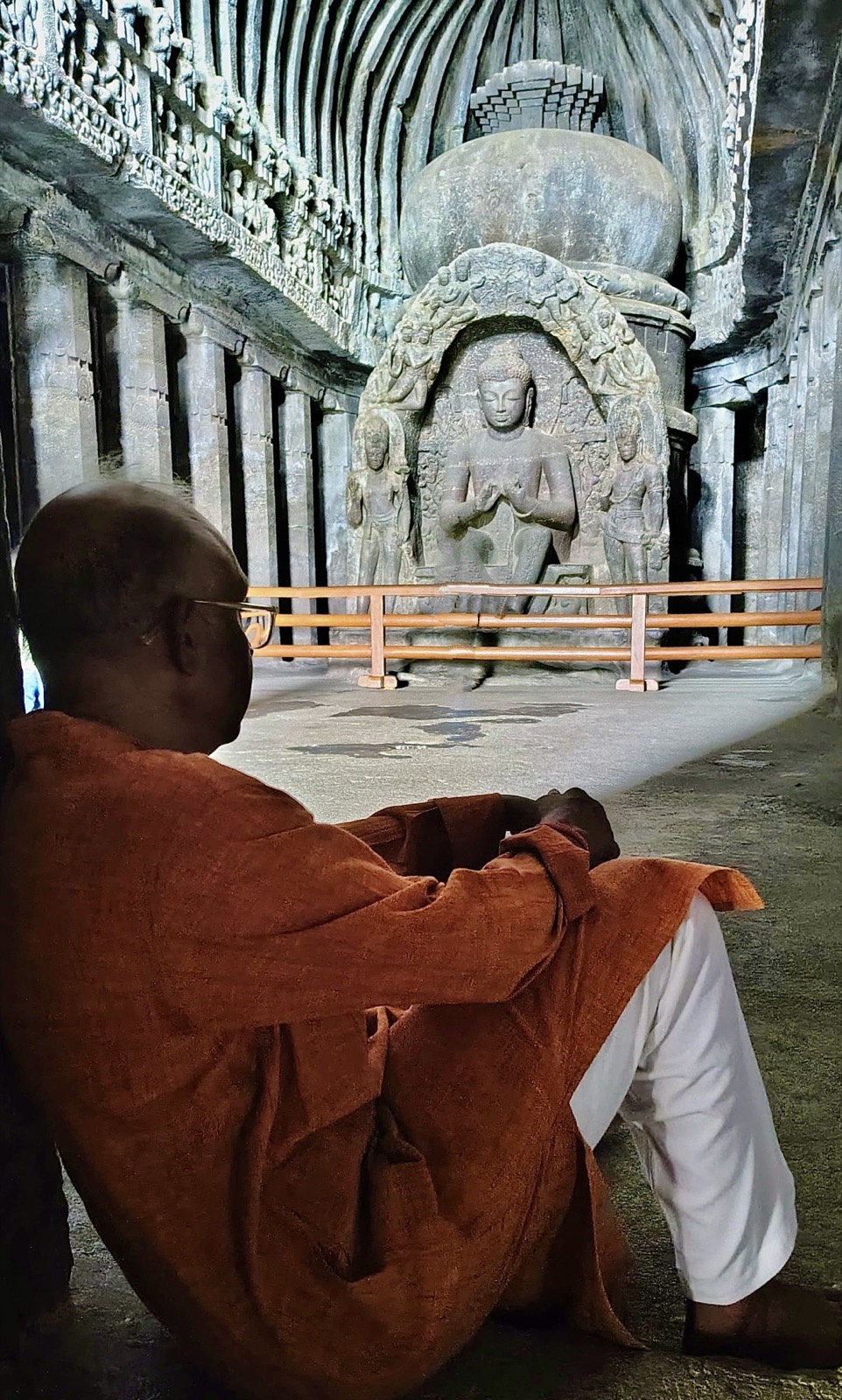
When someone dies, it is very common for the people to say “may his/ her Soul rest in peace”. It is assumed that the Soul is something which can pass through different stages of change. With this assumption, people say in good faith “may his/her Soul rest in peace”. But the Vedantic way of looking at this issue is very different.
As per Vedantic belief system, all life forms exist with three bodies i.e. “Gross body or Sthool Sharira (स्थूल शरीर), Subtle body or Sookshm Sharira (सूक्ष्म शरीर) and Causal body or Kaaran Sharira (कारण शरीर) ।
Gross body is the body which we all are familiar with and is made up of combination of five elements (Panchikaran) i.e. Earth, Water, Air, Fire and Space. Here the elements are not to be confused with the normal understanding of elements as per Chemistry. All forms of matter whether living or non-living are composed of only these five elements.
The Subtle body is the collection of living being’s past Karmic records, his passions, fears and desires (Kaam (काम), Krodh (क्रोध), Lobh (लोभ), Moh (मोह), Maad (मद) and Matsarya (मात्सर्य) and it is also composed of same five elements, but without combination (Apanchikaran). It is subtle in nature and cannot be physically explained. For the purpose of explanation, one can say that the Brain is gross but the Mind is subtle. Brain has certain structure, size, weight, volume, color etc but no such thing can be said about the Mind.
The Causal body is the veil of ignorance of a living being about his true nature. It is also the seed for existence of Sukshma Sharira. This veil of ignorance is removed with the knowledge that you are one with the God i.e. “Tatt Twam Asi” (You are That), “Aham Brahmasmi (I am Brahma)” Aymatma Brahma (this Soul is God), the Vedantic Mahavakyas, as spelled out in the Upanishads.
Adi Shankaracharya, one of greatest Sages of Vedantic philosophy, says that if ignorance is the problem, then knowledge is the solution. In his beautiful composition, Atma Bodh, he says:
बोधोऽन्यसाधनेभ्यो हि साक्षान्मोक्षैकसाधनम् । पाकस्य वह्निवज्ज्ञानं विना मोक्षो न सिध्यति ॥ २॥
Just as without fire, food cannot be cooked, similarly without knowledge, liberation is not possible. Compared to all other paths of Liberation, the path of self knowledge is most convenient.
Here the knowledge of self doesn’t mean understanding it intellectually but properly feeling and living in this knowledge, with proper conditioning of tendencies of the mind as experienced by many Sages across all religions over thousands of years. A very simple explanation for the sake of understanding would be if I explain to someone about the characteristics of a Mango who has never seen or tasted a Mango, the explanation would be given about its color, fragrance, taste, juiciness, varieties etc. The listener would visualise a Mango in his mind as per his understanding which may or may not tally with the truth. But once he is given the Mango to be examined and eaten by him, no explanation would be required and he would understand the truth. Here it can be said that the knowledge has not only been intellectually understood but it has been experienced.
One more example can be given with the story of seven blind men and the Elephant. Each of the seven persons picturized Elephant in his own ways which was never the complete picture. But a person with normal vision would see the elephant and wouldn’t need any explanations about how an Elephant looks like. The same is the story with realisation of the true self. And then one realises “I am not this body and mind” but the true self which is timeless. And my existence would continue even after the death of this gross body.
So, coming back to the original subject of this essay, at the time of death the body is disposed off as per the religious beliefs of the deceased. The body merges with the Panch mahabhoot. Or as per Christian belief system “from ashes to ashes”. So, after death, gross body is gone, but the subtle body moves from one birth to another as per his Karmic record and develops its personality according to tendencies of the past life (Karmic record, passions, attachments, unfulfilled desires etc). The Subtle body continues to move from one life form to another life form, trapped in a never-ending cycle of Birth and Death and continues to feel Pleasure & Pain as per the Karmic Record of that Subtle Body (which is the real Doer of action and not the Gross Body which is just an instrument of perception of world and action). So, the Subtle Body is also responsible for feeling pleasure and pain as per the consequence of actions done in the past.
This cycle continues till the time of realisation of its true nature by the Living Being / Sookshma Sharira i.e. Tat Twam Asi (You Are That), the Vedantic Mahavakya. This realisation removes the veil of ignorance and the Karan Sharira or Causal Body disappears. Once this happens, the realised living being continues to live in Divine Bliss, but the body continues to feel pleasure and pain as per previous Karmic Record. Such realised Masters are beyond the cycle of Pain & Pleasure as experienced by an ordinary living being. At the time of death, the Sookshma Sharira merges with the Supreme Self, Sat-Chit-Anand Ishwar. For such realised Masters, there is no rebirth, unless they choose to come back to guide their followers to progress on their Spiritual Journey.
In this process, one may ask what happens to the soul? Nothing. The Soul associated with the living beings can be compared (for the sake of simple explanation) to the space inside the earthen pitcher. There is space both inside and outside the pitcher. When the pitcher breaks, the space inside and outside is still there totally unaffected by the destruction of pitcher. The space is just detached observer of the birth and death of pitcher. In the same way, nothing happens to the Soul which is the Cosmic Consciousness or “Satt Chitt Anand” or God without attributes (Nirgun Brahma) because it is beyond the five senses of perception and beyond the limits of the human mind. No human mind howsoever genius can comprehend it ordinarily which is possible only for very realised masters like Raman Maharshi, Swami Ramkrishna Paramhans, Swami Vivekanand etc. The Soul is the detached observer of whole drama, takes no part in the drama but is the one & only one sub-stratum on which whole drama of life is played out like a movie.
So, when it is wished for a deceased person that “his soul may rest in peace”, it really means that his journey from one life form to another comes to an end and the Subtle Body is freed from the endless cycle of birth and death and consequently released from the duality of pain and pleasure which is inevitable for all life forms. That is Liberation or Moksha, the ultimate Goal of birth in Human Body.
मृत्यु के बाद क्या बना रहता है?
जब किसी व्यक्ति का निधन होता है, तो सामान्यतः लोग कहते हैं—"ईश्वर उनकी आत्मा को शांति प्रदान करे।" इस कथन के पीछे यह धारणा होती है कि आत्मा ऐसी सत्ता है जो विभिन्न अवस्थाओं से होकर गुजरती है और मृत्यु के पश्चात भी किसी प्रकार की यात्रा करती है। इसी विश्वास के आधार पर लोग सद्भावना से यह कामना करते हैं कि दिवंगत की आत्मा को शांति मिले।
किन्तु वेदान्त इस विषय को बिल्कुल भिन्न दृष्टि से देखता है। वेदान्त के अनुसार प्रत्येक जीव तीन प्रकार के शरीरों के साथ अस्तित्व में रहता है—
- स्थूल शरीर (Sthool Sharira)
- सूक्ष्म शरीर (Sookshma Sharira)
- कारण शरीर (Kaaran Sharira)
स्थूल शरीर
स्थूल शरीर वही है जिसे हम अपनी आँखों से देखते और पहचानते हैं। यह पाँच महाभूतों—पृथ्वी, जल, अग्नि, वायु तथा आकाश—के पंचीकरण से निर्मित होता है। यहाँ इन पाँच तत्वों को रसायन विज्ञान (Chemistry) के तत्वों के समान नहीं समझना चाहिए। वेदान्त में इनका अर्थ भिन्न है। सम्पूर्ण सृष्टि—चाहे वह चेतन हो या जड़—इन्हीं पाँच महाभूतों से बनी मानी जाती है।
सूक्ष्म शरीर
सूक्ष्म शरीर जीव के समस्त पूर्वजन्मों के कर्म-संस्कारों, इच्छाओं, वासनाओं, भय, आसक्तियों तथा मानसिक प्रवृत्तियों का संग्रह है। इसी में काम, क्रोध, लोभ, मोह, मद और मात्सर्य जैसी वृत्तियाँ विद्यमान रहती हैं। सूक्ष्म शरीर भी इन्हीं पाँच महाभूतों से बना है, किन्तु इनके अपंचीकृत (Apanchikaran) रूप से। इसलिए यह इन्द्रियों द्वारा प्रत्यक्ष नहीं देखा जा सकता। इसे समझने के लिए एक सरल उदाहरण लिया जा सकता है—
मस्तिष्क (Brain) स्थूल है। उसका आकार, भार, रंग और संरचना बताई जा सकती है। किन्तु मन (Mind) सूक्ष्म है। उसका न तो कोई रंग है, न आकार, न भार और न ही कोई भौतिक माप। फिर भी उसका अस्तित्व अनुभव किया जाता है।
कारण शरीर
कारण शरीर वह अज्ञान का आवरण है, जो जीव को उसके वास्तविक स्वरूप का बोध नहीं होने देता। यही कारण शरीर सूक्ष्म शरीर के अस्तित्व का बीज भी है। जब जीव को यह ज्ञान हो जाता है कि उसका वास्तविक स्वरूप परमात्मा से भिन्न नहीं है, तब यह अज्ञान नष्ट हो जाता है। उपनिषदों के महावाक्य इसी सत्य की घोषणा करते हैं—
- तत्त्वमसि — तुम वही हो।
- अहं ब्रह्मास्मि — मैं ही ब्रह्म हूँ।
- अयमात्मा ब्रह्म — यह आत्मा ही ब्रह्म है।
ज्ञान ही मुक्ति का साधन है
वेदान्त दर्शन के महान आचार्य आदि शंकराचार्य कहते हैं कि यदि समस्या अज्ञान है, तो उसका समाधान केवल ज्ञान है। अपनी प्रसिद्ध रचना ‘आत्मबोध’ में वे लिखते हैं—
बोधोऽन्यसाधनेभ्यो हि साक्षान्मोक्षैकसाधनम् । पाकस्य वह्निवज्ज्ञानं विना मोक्षो न सिध्यति ॥ २॥
भावार्थ : जैसे अग्नि के बिना भोजन नहीं पक सकता, उसी प्रकार आत्मज्ञान के बिना मोक्ष प्राप्त नहीं हो सकता। मुक्ति के सभी साधनों में आत्मज्ञान ही सबसे प्रत्यक्ष और सर्वोत्तम साधन है।
आत्मज्ञान का वास्तविक अर्थ
यहाँ आत्मज्ञान का अर्थ केवल बौद्धिक रूप से किसी सिद्धान्त को समझ लेना नहीं है। सच्चा आत्मज्ञान वह है जिसे मनुष्य अपने जीवन में अनुभव करे, उसे जीए और जिसकी अनुभूति उसके सम्पूर्ण व्यक्तित्व का हिस्सा बन जाए। इतिहास में विभिन्न धर्मों और परम्पराओं के अनेक महापुरुषों ने इसी सत्य का प्रत्यक्ष अनुभव किया है। इसे एक सरल उदाहरण से समझा जा सकता है।
मान लीजिए किसी ऐसे व्यक्ति को आम (Mango) के बारे में बताया जाए जिसने जीवन में कभी आम देखा या चखा ही न हो। हम उसे उसके रंग, सुगंध, स्वाद, रस, आकार और विभिन्न किस्मों का वर्णन कर सकते हैं। वह अपनी कल्पना के अनुसार मन में आम की एक छवि बना लेगा, जो वास्तविकता से मेल भी खा सकती है और नहीं भी।
किन्तु जब उसे वास्तव में एक पका हुआ आम दिया जाए, जिसे वह स्वयं देखे, स्पर्श करे और खाकर उसका स्वाद अनुभव करे, तब किसी अतिरिक्त व्याख्या की आवश्यकता नहीं रहेगी। अब उसका ज्ञान केवल सुनी-सुनाई जानकारी नहीं रहेगा, बल्कि प्रत्यक्ष अनुभव पर आधारित सत्य होगा।
आत्मज्ञान भी इसी प्रकार है। जब तक सत्य केवल विचारों और शब्दों तक सीमित है, तब तक वह बौद्धिक ज्ञान है। किन्तु जब वही सत्य प्रत्यक्ष अनुभव बन जाता है, तभी वास्तविक आत्मबोध होता है।
आत्मसाक्षात्कार, मृत्यु के बाद की यात्रा और सूक्ष्म शरीर
आत्मसाक्षात्कार को समझने के लिए एक और प्रसिद्ध उदाहरण दिया जा सकता है—सात अंधों और हाथी की कथा। कथा के अनुसार सात अंधे व्यक्तियों ने हाथी के अलग-अलग अंगों को स्पर्श किया। किसी ने उसकी सूँड़ को छुआ, किसी ने पैर को, किसी ने कान को, तो किसी ने पूँछ को। प्रत्येक व्यक्ति ने अपने सीमित अनुभव के आधार पर हाथी की एक अलग कल्पना बना ली। किन्तु किसी की भी कल्पना पूर्ण सत्य नहीं थी। इसके विपरीत, एक सामान्य दृष्टि वाला व्यक्ति सम्पूर्ण हाथी को एक साथ देख सकता है। उसे यह जानने के लिए किसी स्पष्टीकरण की आवश्यकता नहीं होती कि हाथी वास्तव में कैसा दिखाई देता है।
आत्मज्ञान की स्थिति भी कुछ ऐसी ही है। जब तक मनुष्य अपने वास्तविक स्वरूप का प्रत्यक्ष अनुभव नहीं करता, तब तक वह अपने बारे में केवल कल्पनाएँ और धारणाएँ बनाता रहता है। किन्तु आत्मसाक्षात्कार होने पर उसे स्पष्ट अनुभव हो जाता है कि—"मैं यह शरीर और मन नहीं हूँ; मैं वह शाश्वत आत्मस्वरूप हूँ जो काल, जन्म और मृत्यु से परे है।" तब वह जान लेता है कि स्थूल शरीर की मृत्यु के बाद भी उसका वास्तविक अस्तित्व समाप्त नहीं होता।
अब हम इस निबंध के मूल प्रश्न पर लौटते हैं। मृत्यु के समय स्थूल शरीर का अन्त हो जाता है। प्रत्येक धर्म अपनी-अपनी परम्पराओं के अनुसार उसका अंतिम संस्कार करता है। ईसाई परम्परा में भी इसी सत्य को इन शब्दों में व्यक्त किया गया है—
"From ashes to ashes." — "राख से उत्पन्न होकर पुनः राख में ही विलीन हो जाना।"
स्थूल शरीर समाप्त हो जाता है किन्तु सूक्ष्म शरीर समाप्त नहीं होता। सूक्ष्म शरीर अपने साथ संचित कर्म-संस्कार, वासनाएँ, आसक्तियाँ, अपूर्ण इच्छाएँ तथा मानसिक प्रवृत्तियों को लेकर एक जन्म से दूसरे जन्म की यात्रा करता रहता है। नए जन्म में भी उसी के अनुरूप उसका व्यक्तित्व विकसित होता है। दूसरे शब्दों में, प्रत्येक जन्म पूर्वजन्मों के कर्मों और संस्कारों की निरन्तरता है।
कर्म और पुनर्जन्म का चक्र
सूक्ष्म शरीर निरन्तर एक जीवन से दूसरे जीवन में प्रवेश करता रहता है और जन्म-मृत्यु के इस अंतहीन चक्र में बँधा रहता है। उसी के संचित कर्मों के अनुसार उसे सुख और दुःख, लाभ और हानि, अनुकूलता और प्रतिकूलता का अनुभव होता है। वेदान्त के अनुसार वास्तविक कर्ता (Doer) स्थूल शरीर नहीं है। स्थूल शरीर तो केवल एक उपकरण (Instrument) है, जिसके माध्यम से जीव संसार का अनुभव करता है और कर्म करता है। वास्तव में कर्मों का संचय तथा उनके फल का भोग सूक्ष्म शरीर ही करता है। इसी कारण वही अपने पूर्वकृत कर्मों के अनुसार सुख-दुःख का अनुभव करता रहता है।
जन्म और मृत्यु का यह चक्र तब तक चलता रहता है, जब तक जीव अपने वास्तविक स्वरूप का प्रत्यक्ष अनुभव नहीं कर लेता। जब सूक्ष्म शरीर "तत्त्वमसि" (तुम वही हो) इस वेदान्त महावाक्य के सत्य का साक्षात्कार कर लेता है, तब उसके ऊपर पड़ा अज्ञान का आवरण हट जाता है। अज्ञान समाप्त होते ही कारण शरीर का भी अंत हो जाता है।
ऐसा आत्मज्ञानी व्यक्ति जीवित रहते हुए ही दिव्य आनन्द (सच्चिदानन्द) में स्थित हो जाता है। यद्यपि उसका स्थूल शरीर अपने पूर्व संचित प्रारब्ध कर्मों के अनुसार सुख-दुःख का अनुभव करता रहता है, फिर भी वह स्वयं इन द्वन्द्वों से परे रहता है।
ऐसे महापुरुष सामान्य मनुष्यों की भाँति सुख और दुःख के उतार-चढ़ाव से प्रभावित नहीं होते। वे साक्षीभाव में स्थित रहते हैं। जब ऐसे आत्मज्ञानी महापुरुष का देहावसान होता है, तब उसका सूक्ष्म शरीर परमात्मा, अर्थात् सच्चिदानन्द स्वरूप ईश्वर में विलीन हो जाता है। ऐसे सिद्ध पुरुषों के लिए पुनर्जन्म नहीं होता, जब तक कि वे स्वयं लोककल्याण और साधकों के आध्यात्मिक मार्गदर्शन के लिए पुनः अवतार लेने का संकल्प न करें।
अब प्रश्न उठता है—आत्मा का क्या होता है? वेदान्त का उत्तर अत्यन्त स्पष्ट है—आत्मा के साथ कुछ भी नहीं होता। इसे समझने के लिए एक सरल उदाहरण लिया जा सकता है। मान लीजिए एक मिट्टी का घड़ा है। घड़े के भीतर भी आकाश है और बाहर भी आकाश है। जब घड़ा टूट जाता है, तब क्या भीतर का आकाश नष्ट हो जाता है? नहीं। घड़े के टूटने से आकाश पर कोई प्रभाव नहीं पड़ता। वह पहले भी था, अब भी है। घड़े का निर्माण और विनाश केवल घड़े तक सीमित है; आकाश सदैव अपरिवर्तित रहता है। इसी प्रकार आत्मा भी जन्म और मृत्यु से सर्वथा अछूती रहती है। वह ब्रह्म, सच्चिदानन्द, निर्गुण ब्रह्म, अथवा शुद्ध चैतन्य है। वह पाँचों ज्ञानेन्द्रियों की पहुँच से परे है तथा मानव मन और बुद्धि की सीमाओं से भी परे है। चाहे कोई व्यक्ति कितना ही प्रतिभाशाली क्यों न हो, सामान्य बौद्धिक प्रयास से उसका पूर्ण बोध संभव नहीं है।
उसका प्रत्यक्ष अनुभव केवल अत्यन्त उच्च कोटि के आत्मसाक्षात्कारी महापुरुषों—जैसे रमण महर्षि, स्वामी रामकृष्ण परमहंस, स्वामी विवेकानन्द आदि—को ही होता है।
आत्मा सम्पूर्ण सृष्टि के नाटक की निष्पक्ष साक्षी है। वह स्वयं कोई कर्म नहीं करती और न ही किसी परिवर्तन से प्रभावित होती है। जिस प्रकार चलचित्र (फ़िल्म) पर्दे पर चलता है, किन्तु पर्दा स्वयं उससे प्रभावित नहीं होता, उसी प्रकार जीवन का समस्त नाटक आत्मा रूपी आधार पर घटित होता है, जबकि आत्मा सदैव अपरिवर्तित और निरपेक्ष रहती है।
"ईश्वर उनकी आत्मा को शांति प्रदान करे" का वास्तविक अर्थ
अब हम प्रारम्भ में कही गई बात पर लौटते हैं। जब हम किसी दिवंगत व्यक्ति के लिए कहते हैं— "ईश्वर उनकी आत्मा को शांति प्रदान करे।" तो वेदान्त की दृष्टि से इसका वास्तविक आशय यह नहीं है कि आत्मा अशान्त थी और अब उसे शांति मिले। वास्तव में इसका गहरा अर्थ यह है कि उस जीव का जन्म-मृत्यु का चक्र समाप्त हो, उसका सूक्ष्म शरीर कर्मों के बन्धन से मुक्त हो जाए, और वह सुख-दुःख के अनवरत द्वन्द्व से ऊपर उठकर मोक्ष को प्राप्त करे। यही मानव जन्म का परम उद्देश्य है।
Comments
Loading…